
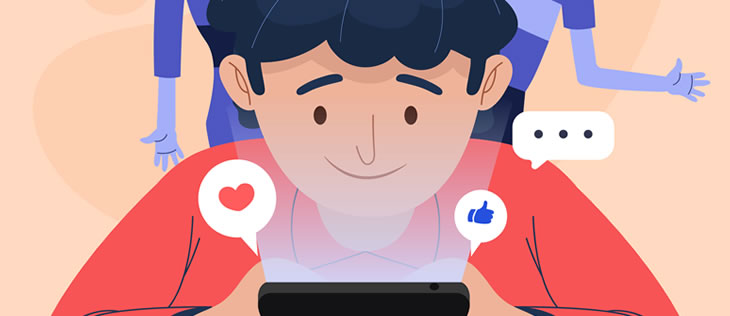
Sharing parts of your life online has become an ordinary habit. You might post a photo from a family gathering, share an opinion about a current event, or tell your followers about something exciting that happened during the day. These moments can help you stay connected with friends, express yourself, and create memories.
The problem begins when sharing becomes automatic. A photo is posted before you consider who might see it. A personal detail is revealed because it seems harmless. A location is shared in real time without thinking about who could use that information or how long it might remain available.
In many cases, nothing bad happens. Still, every piece of information you share can reveal something about your life, your habits, your relationships, or your personal circumstances. When these details accumulate, they may tell a much larger story than you intended to share.
Understanding the hidden cost of sharing too much online does not mean avoiding social media or keeping your life secret. It means learning to make thoughtful decisions about what you share, with whom you share it, and what might happen after it becomes public.
Your Personal Information Can Travel Further Than You Expect
When you post something online, you may imagine that only your friends or followers will see it. However, digital content can move beyond its original audience through screenshots, reposts, downloads, and private messages.
Even if you delete a post later, someone may already have saved a copy. And if your account is private, that does not guarantee that everything you share will remain within your chosen circle.
Consider a photo taken at home. At first glance, it may seem like an ordinary picture. But it could also reveal the street outside your window, the layout of your home, valuable belongings, or details that help someone identify where you live.
Similarly, a picture from a vacation might tell others that you are away from home. A post about your daily routine could reveal where you usually spend your mornings or when you are likely to be alone.
Each detail may appear insignificant on its own. The risk increases when several pieces of information are combined.
For example, someone who regularly posts photos in front of a school, shares their usual departure time, and tags the places they visit may unintentionally make their routine easier to predict.
This does not mean you should become suspicious of everyone online. It means recognizing that information can be useful to people for reasons you did not anticipate.
Before sharing something, take a moment to consider what it reveals beyond its obvious message.
Ask yourself:
- Does this post reveal where I live, study, or spend time regularly?
- Am I sharing information about my routine that strangers do not need to know?
- Could someone use these details to identify, contact, or locate me?
- Would I be comfortable if this post reached people outside my intended audience?
These questions are especially useful when sharing photos, travel plans, personal documents, or details about family members.
You can also reduce unnecessary exposure by reviewing your privacy settings, limiting who can see your posts, and avoiding real-time location updates when they are not needed.
Privacy is not about having something to hide. It is about maintaining control over information that belongs to you.
Oversharing Can Affect Your Relationships and Reputation
Social media often encourages people to share quickly and react immediately. When something exciting, frustrating, or painful happens, posting about it may feel like a natural way to express yourself or receive support.
However, emotions change, and online content can remain visible long after the moment that inspired it has passed.
Imagine having an argument with a friend and publishing a post that indirectly criticizes them. At the time, you may feel that you are simply expressing your frustration. Later, you might resolve the disagreement, but the post could continue to create tension or invite other people to take sides.
The same problem can occur when someone shares private conversations, embarrassing photographs, or personal information about another person without permission.
What feels like a harmless joke to one person may feel humiliating to someone else. A story shared to gain sympathy may expose details that another person never agreed to make public.
Oversharing can also affect how people understand you. A single post rarely defines someone’s character, but a public profile built over months or years may influence the impressions others form.
Teachers, employers, colleagues, classmates, and potential professional contacts may come across content you shared in a different context. They might interpret a joke literally, misunderstand an emotional comment, or encounter a post that no longer reflects your views.
This does not mean you must create a perfect online image or avoid expressing opinions. Honest self-expression is valuable, and people are allowed to disagree.
The important distinction is between sharing thoughtfully and publishing something simply because you feel compelled to share it immediately.
Before posting during an emotional moment, consider waiting until you feel calmer. You may discover that the message no longer seems necessary or that you can express yourself more constructively in a private conversation.
It is also helpful to respect the privacy of others. A photo, message, or personal story may involve more than your own experience. If someone else could be identified or affected, consider whether you have their permission to share it.
Healthy relationships depend partly on trust. Protecting private information, even when you are upset, helps preserve that trust.
You do not need to hide every difficult experience. You simply need to consider whether the internet is the right place to discuss it and whether sharing it publicly will help solve the problem.
The Emotional Cost of Constant Sharing
Sharing online is not only about privacy. It can also influence how you feel about yourself and how you evaluate your life.
Many social platforms make it easy to measure reactions through likes, comments, views, and follower counts. These numbers can be entertaining, but they can also create pressure to keep producing content and seeking approval.
You might begin wondering whether a photograph will receive enough attention, whether your life looks interesting compared with someone else’s, or whether people will react positively to your opinions.
Without realizing it, you may start making decisions based on how they will appear online rather than how they will feel in your actual life.
For example, you might choose an activity mainly because it will make a good post. You might feel disappointed during an enjoyable event because you are too busy taking pictures to experience it fully. Or you might hesitate to share something meaningful because you worry that it will not receive much attention.
These habits can gradually change the purpose of social media. Instead of using it to communicate, you may begin treating it as a place where your experiences need to be displayed and evaluated.
Comparing yourself with others can make this pressure stronger. Online profiles usually show selected moments rather than complete lives. People tend to share achievements, celebrations, attractive photographs, and exciting experiences more often than ordinary routines or personal difficulties.
As a result, you may compare your everyday life with someone else’s carefully selected highlights.
You see their achievements but not necessarily the time, support, setbacks, or circumstances behind them. This can create an unfair comparison and leave you feeling that your own life is less interesting or successful than it really is.
Oversharing may also reduce the space you have to process personal experiences privately. Not every feeling needs an immediate audience, and not every important moment needs to become content.
Sometimes, talking with a trusted friend, writing in a personal journal, or simply allowing yourself to experience an event without documenting it can be more satisfying than posting about it.
A few simple habits can help you maintain a healthier relationship with sharing:
- Post because you genuinely want to communicate, not because you feel obligated to remain visible.
- Avoid using likes or comments as the main measure of whether an experience was worthwhile.
- Take breaks from platforms that leave you feeling anxious, inadequate, or constantly distracted.
- Enjoy some experiences without photographing or recording them.
- Keep certain thoughts, relationships, and memories private because they matter to you.
The goal is not to reject social media. It is to make sure that your online activity supports your life instead of becoming the center of it.
How to Share More Thoughtfully
You do not need to stop posting or carefully analyze every ordinary message. A few practical habits can help you enjoy the benefits of being online while reducing unnecessary risks.
Pause before publishing. When a post involves sensitive information, strong emotions, or another person, give yourself time to consider the consequences. A short pause can prevent a decision you later regret.
Choose your audience carefully. Different platforms and accounts may serve different purposes. You might be comfortable sharing a casual photograph with close friends but prefer to keep personal details away from a broader audience. Review who can see your posts, comment on them, or contact you.
Protect information that could expose you. Avoid publishing passwords, identification documents, financial details, or other sensitive information. Be cautious with photographs that reveal your home address, school schedule, travel plans, or the locations of people who have not agreed to share them.
Think before sharing someone else’s story. Other people deserve control over their own personal information. Ask permission before posting private photographs, screenshots of conversations, or details about experiences that are not yours alone to disclose.
Remember that privacy settings have limits. A private account can reduce exposure, but it cannot prevent every screenshot, copy, or redistribution. If a piece of information would seriously harm you if it became public, the safest choice may be not to post it.
Review your digital footprint. From time to time, look through older posts, photographs, tagged content, and account permissions. Remove material you no longer want associated with you, while remembering that deleting it cannot guarantee that every copy disappears.
Most importantly, allow yourself to have a life that does not need constant documentation. You can celebrate an achievement without announcing it, enjoy a trip without sharing your location, and work through a personal problem without explaining it to an online audience.
These choices do not make you less open or less social. They give you greater control over how much of yourself you make available to others.
Share With Intention, Not Just Habit
The internet offers valuable ways to communicate, learn, express ideas, and maintain relationships. Sharing can bring people closer together, help others understand your experiences, and create a sense of community.
But convenience can make it easy to forget that information has a life beyond the moment in which it is published. A post may reach an unexpected audience, affect a relationship, influence someone’s impression of you, or reveal details that become more significant over time.
You cannot control every way other people interpret or use what you share. You can, however, make more informed decisions about the information you provide.
That begins with recognizing the difference between what you can share and what you need to share. It also means understanding that privacy is not the opposite of honesty, and keeping something to yourself is not the same as being secretive.
Some moments become more meaningful when they are shared. Others are valuable precisely because they remain personal.
Before you post, ask yourself whether sharing adds something worthwhile to your life. If it does, share thoughtfully. If it does not, remember that you are allowed to keep part of your world just for yourself.