
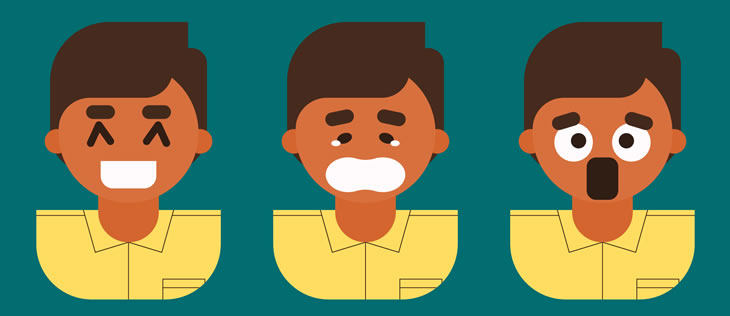
Professional communication does not depend exclusively on the words people use. The way a person sits, stands, looks at others, gestures, or responds physically during a conversation can influence how their message is perceived. In meetings, interviews, presentations, negotiations, and everyday interactions, body language contributes to the overall impression a professional creates.
However, body language should not be treated as a system for reading people’s hidden thoughts. A particular gesture does not have one universal meaning, and nonverbal behavior is strongly influenced by context, culture, personality, and the situation itself. Crossed arms, limited eye contact, or a serious expression, for example, cannot automatically be interpreted as signs of insecurity, disagreement, or disinterest.
The value of understanding body language is therefore not learning to decode people as if they were predictable formulas. It is becoming more aware of the signals you may be sending and learning to make your communication more consistent, attentive, and professional.
Body Language Communicates Before Words
In many professional situations, people begin forming impressions before a conversation has fully developed. The way someone enters a room, approaches a colleague, prepares for a meeting, or responds when another person begins speaking can influence the interaction before any substantial information is exchanged.
This does not mean that appearance or physical behavior determines professional competence. It means that communication is influenced by multiple signals at the same time. A person who speaks confidently but continually looks away, interrupts others, or appears distracted may unintentionally create a different impression from the one their words are intended to convey.
Awareness becomes particularly important in situations where trust and credibility matter. During a presentation, for example, maintaining a stable posture and directing attention toward the audience can reinforce the sense that the speaker is engaged with the subject. During a conversation, facing the person who is speaking and demonstrating attention can communicate that their contribution is being taken seriously.
The most effective approach is not to consciously control every movement. Excessive self-monitoring can make communication feel artificial. Instead, professionals can develop a few basic habits that support their verbal communication:
- Give the speaker your attention rather than dividing it between the conversation and unrelated distractions.
- Maintain a posture that allows you to appear attentive without becoming rigid.
- Use natural facial expressions that are consistent with the subject of the conversation.
- Avoid gestures or behaviors that repeatedly distract from the message.
These habits are simple, but they can make professional interactions feel more focused and respectful.
Posture, Presence, and Confidence
Posture is one of the most visible elements of body language. The way a person positions their body can affect how engaged, attentive, or prepared they appear, particularly in meetings, presentations, and other situations where people are observing one another closely.
Professional confidence, however, should not be confused with exaggerated physical presence. Standing rigidly, taking up excessive space, or deliberately adopting a dominant posture does not necessarily communicate confidence. In some situations, it may instead make the interaction feel uncomfortable or unnecessarily aggressive.
A more useful objective is to develop a posture that supports calm and attentive communication. Sitting upright without becoming tense, keeping your shoulders relatively relaxed, and positioning yourself toward the conversation can help create a professional presence without making the behavior feel forced.
This is especially relevant during presentations. A speaker who constantly looks at the floor, hides behind a desk, or moves excessively may make it harder for an audience to remain focused. At the same time, excessive movement or deliberately dramatic gestures can become a distraction.
The goal is balance. Movement should support communication rather than compete with it.
Posture can also affect the professional’s own experience. Physical tension can make it harder to speak naturally, while a stable and comfortable position can make it easier to concentrate on the content of a conversation. This does not mean that changing posture automatically creates confidence, but physical comfort can contribute to more controlled communication.
Professionals should therefore focus less on trying to “look confident” and more on creating physical conditions that allow them to communicate clearly. Genuine confidence is ultimately supported by preparation, knowledge, experience, and the ability to respond thoughtfully to the situation.
Facial Expressions, Eye Contact, and Attention
The face communicates a significant amount of information during professional interactions. A person’s expression can reinforce enthusiasm, concern, concentration, confusion, or interest, although these signals must always be interpreted within context.
For example, someone may appear serious during a meeting because they are concentrating intensely, not because they disagree with what is being discussed. Similarly, limited facial expression may simply reflect personality rather than a lack of interest. This is why body language should be considered as part of a broader communication pattern rather than treated as definitive evidence of someone’s intentions.
Eye contact requires the same degree of nuance. Appropriate eye contact can communicate attention and engagement, particularly when someone is speaking directly to another person. However, staring continuously can feel uncomfortable, while avoiding eye contact completely may make interaction more difficult in some professional cultures and contexts.
The objective is natural engagement rather than constant eye contact.
Listening is another area where nonverbal communication becomes especially important. People often communicate attention through small responses such as nodding, maintaining an attentive posture, reacting appropriately to important points, or using facial expressions that show they are following the conversation.
These behaviors should not be performed mechanically. A person who nods continuously without actually listening can create the opposite impression. The strongest nonverbal signals usually emerge from genuine attention rather than deliberate performance.
This is why body language is closely connected to listening skills. If a professional is mentally preparing their next response while another person is speaking, their physical behavior may reveal that lack of attention even if their words later sound appropriate.
Being present in the conversation is therefore more valuable than trying to reproduce a specific set of gestures.
Gestures, Personal Space, and Professional Context
Hand gestures can make communication more dynamic and can help emphasize important points. They can also become distracting when they are excessive, repetitive, or disconnected from what is being said.
The appropriate use of gestures depends heavily on the individual and the context. Some people naturally use their hands while speaking, while others communicate with relatively little movement. Neither style is automatically more professional. The important consideration is whether the behavior supports clear communication and remains appropriate for the situation.
Personal space also matters. Physical distance during professional interactions varies according to culture, workplace norms, the relationship between the people involved, and the setting. What feels natural in a casual conversation may be inappropriate in a formal professional environment.
Professionals should therefore avoid assuming that one standard of physical distance applies to everyone. Awareness of cultural and situational differences can prevent misunderstandings and help create more respectful interactions.
The same principle applies to physical contact. Handshakes, greetings, or other forms of contact can vary significantly between cultures and professional environments. When there is uncertainty, it is generally better to observe the context and respect the other person’s boundaries rather than assuming a particular form of interaction is expected.
Technology has also changed how body language appears in professional communication. Virtual meetings create a different environment in which facial expressions, camera positioning, posture, and visual attention become more prominent.
In a video meeting, for example, constantly looking at another screen may make it appear that the person is distracted, even when they are taking notes or reviewing relevant information. Positioning the camera appropriately, minimizing unrelated distractions, and remaining visually engaged when appropriate can improve the quality of virtual interaction.
The important lesson is that professional body language is contextual. What communicates attentiveness in one environment may have a different effect in another.
Consistency Between Verbal and Nonverbal Communication
One of the most important aspects of body language is the relationship between what a person says and how they behave while saying it. When verbal and nonverbal communication generally support each other, the message can feel more coherent. When they appear significantly disconnected, the listener may become uncertain about what the speaker actually means.
Consider a manager telling a team that they are open to questions while repeatedly interrupting employees or appearing visibly impatient. The words communicate openness, but the interaction may communicate something different. Similarly, a professional who says they are interested in a project while consistently appearing distracted may unintentionally weaken the credibility of their message.
This does not mean that every mismatch between words and body language indicates dishonesty. People can be nervous, tired, distracted, or uncomfortable for many reasons. Nonverbal behavior should never be treated as definitive proof of someone’s intentions.
For professionals, the more useful question is therefore not “What is this person’s body language really saying?” but “Is my own behavior consistent with what I am trying to communicate?”
That question encourages self-awareness without turning communication into a process of psychological speculation.
Professionals can develop this awareness by reviewing important interactions after they occur. A presentation, meeting, interview, or difficult conversation can provide useful opportunities for reflection. What went well? Did the audience appear engaged? Did you listen effectively? Did your physical behavior support your message? Were there moments when nervousness affected your communication?
Feedback can also help. A trusted colleague may notice habits that the individual does not recognize, such as speaking too quickly, avoiding eye contact, constantly checking a phone, or using repetitive gestures.
The objective is not to eliminate every personal habit. Professional communication should still feel authentic. The goal is to identify behaviors that interfere with clarity, attention, or credibility and gradually replace them with more effective alternatives.
Ultimately, body language is one component of professional communication, not a substitute for competence, preparation, or meaningful interaction. A confident posture cannot compensate for poor knowledge, and eye contact cannot replace active listening. Nonverbal behavior becomes valuable when it supports the substance of what a professional is saying and helps create an environment of attention and respect.
Understanding body language can therefore improve professional relationships in a practical way. It encourages people to become more aware of how they enter conversations, how they listen, how they present ideas, and how their physical behavior affects the interaction.
The most effective professionals are not necessarily those who control every gesture or always appear perfectly confident. They are people who understand the context, remain attentive to others, communicate with consistency, and adjust their behavior when necessary.
Professional body language is ultimately less about performing confidence and more about communicating presence. When posture, facial expressions, gestures, attention, and words generally work together, communication becomes clearer and more credible. That awareness can strengthen meetings, presentations, collaboration, and everyday professional relationships without requiring anyone to stop being themselves.