
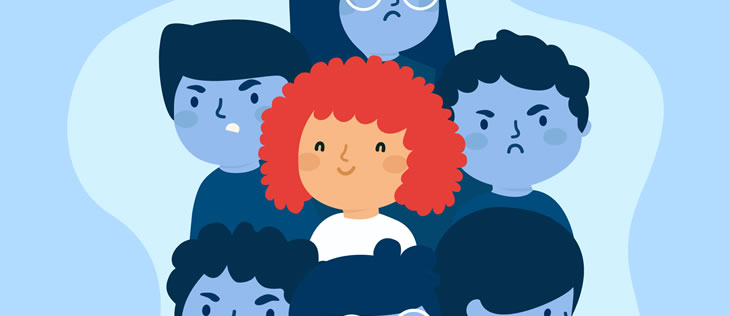
Making decisions is part of everyday life. You choose how to spend your time, what to wear, which activities to join, what opinions to express, and how to respond when other people expect something from you. Some decisions are easy to make on your own. Others become more complicated when you feel that your friends, classmates, family members, or colleagues expect you to act a certain way.
Social pressure is not always obvious. Sometimes, nobody directly tells you what to do. You simply notice that everyone seems to agree, that a particular behavior is popular, or that someone might think less of you if you choose differently.
You may go along with a plan you do not really like, laugh at a joke that makes you uncomfortable, or remain silent when you disagree with a group. In the moment, these choices may seem easier than explaining yourself or risking an awkward situation.
Wanting to belong is natural. People generally value acceptance, friendship, and a sense of connection with others. The challenge is recognizing when the desire to fit in begins to influence your decisions more than your own judgment.
Learning to recognize social pressure does not mean rejecting other people’s opinions or refusing to compromise. It means understanding why you are making a choice and whether that choice reflects what you genuinely believe, want, or consider right for you.
Recognize the Signs of Social Pressure
Social pressure can take many forms. Sometimes, it is direct: someone insists that you participate in an activity, criticizes your choices, or tells you that everyone else is doing the same thing. In other cases, it is subtle. You notice what receives approval, what attracts criticism, and what people seem expected to do. Both forms can influence your behavior.
Imagine that your friends decide to spend money on an expensive outing. You would prefer to save your money or choose a less costly activity, but you agree because you do not want to appear different or miss out. Nobody has forced you to participate, yet the fear of being excluded has affected your decision.
Or perhaps your classmates make fun of someone for having an unpopular opinion. You disagree with their comments, but you stay quiet because you do not want to become the next target.
In situations like these, the pressure comes partly from what you think might happen if you do not follow the group.
There are several signs that social pressure may be influencing you:
- You agree even when you have serious doubts. You say yes because disagreeing feels uncomfortable, not because you believe the decision is right for you.
- You worry excessively about other people’s reactions. Your main concern becomes avoiding criticism, disappointment, or rejection.
- You change your behavior around certain people. You hide your interests, opinions, or preferences because you think they will not be accepted.
- You feel relieved when someone else makes the decision. Following the group seems easier than taking responsibility for your own choice.
- You regret your decision afterward. Once the situation has passed, you wonder why you agreed to something you did not actually want.
One sign alone does not automatically mean that you are being controlled by others. Everyone adjusts their behavior in different situations, and sometimes compromise is a reasonable part of getting along with people.
The important question is whether you are making a conscious choice or simply trying to avoid the discomfort of being different.
Pay attention to how you feel before, during, and after a decision. If you repeatedly experience anxiety before disagreeing, feel unable to express your preferences, or regret saying yes, it may be worth examining what is influencing you.
Recognizing these patterns is the first step toward making decisions with greater confidence.
Understand Why Fitting In Can Feel So Important
The desire to belong can be powerful, particularly when relationships play an important role in your daily life.
Friendships, family connections, school groups, and professional communities can provide support, companionship, and opportunities to learn. It is understandable that you would want to maintain those relationships and avoid unnecessary conflict.
However, the same desire for acceptance can make it difficult to act independently.
One reason is the fear of rejection. You may worry that saying no to an invitation will disappoint a friend, that expressing a different opinion will create distance, or that refusing to participate will make others see you as boring or difficult.
Another reason is the assumption that the group knows better. When several people agree on something, their confidence can make their decision seem more reasonable than your own doubts. You may begin to question yourself simply because your opinion is different.
Social media can add another layer of pressure. When you constantly see people sharing similar styles, activities, purchases, or opinions, it can seem as though everyone is following the same expectations. You may feel that you need to keep up to avoid being left behind.
Yet popularity does not necessarily mean that something is right for you. A choice can be common and still conflict with your preferences, financial situation, personal values, or responsibilities.
It is also helpful to distinguish between genuine influence and unhealthy pressure.
Healthy influence can help you grow. A friend might encourage you to try a new activity, study more consistently, or consider a perspective you had not thought about before. You remain free to evaluate the suggestion and decide whether it makes sense for you.
Unhealthy pressure is different. It may involve ridicule, repeated demands, threats of exclusion, or attempts to make you feel guilty for refusing. Instead of helping you make a decision, the other person tries to make disagreement feel unacceptable.
For example, a friend who says, “Come with us if you want to; we can do something else another time,” is giving you room to choose. Someone who says, “If you don’t come, you’re not really our friend,” is using the relationship to influence your decision.
Understanding this difference can help you evaluate the relationships around you.
You do not need to become indifferent to what other people think. Their opinions may matter to you, and sometimes they can offer valuable advice. The goal is to listen without automatically treating approval as proof that you are making the right choice.
Belonging should give you a place to be yourself, not require you to abandon your judgment to remain included.
Learn to Make Decisions That Reflect Your Own Judgment
Recognizing social pressure is useful, but it becomes much more valuable when you know how to respond to it.
The first step is to give yourself time before agreeing to something that makes you uncomfortable. You do not have to answer every request immediately or make a decision while everyone is waiting for your response.
A simple phrase such as “Let me think about it” can create enough space to consider your options without feeling rushed.
Then, ask yourself a few honest questions:
- Would I make this choice if nobody else knew about it?
- Does it fit my values, priorities, and current responsibilities?
- Am I interested in doing this, or am I mainly afraid of being left out?
- What are the likely consequences, and am I comfortable accepting them?
These questions help you separate your own preferences from the expectations surrounding you.
Imagine that a group of friends wants you to join an activity that does not interest you and would leave you with very little money for the rest of the week. You might initially agree because you do not want to miss out.
After considering the situation, you may decide that the cost is not worth it. You could suggest a less expensive alternative or explain that you cannot participate this time.
Your friends may be disappointed, but that does not mean your decision is unreasonable. You have considered your circumstances and chosen accordingly.
It is also important to accept that independent decisions sometimes involve discomfort. You may feel nervous when you disagree, especially if you are not accustomed to expressing your preferences. That feeling does not automatically mean you are making the wrong choice.
Confidence often develops through experience. Each time you make a thoughtful decision and handle the consequences, you gain more practice trusting your judgment.
At the same time, independence does not mean assuming that you are always right. Other people may notice things you have overlooked, and listening to their advice can help you make better decisions.
You can remain open to new information without surrendering your final judgment. Consider the advice, ask questions, and decide whether it is useful.
When you make a mistake, learn from it rather than treating it as proof that you should always follow the group. Everyone makes poor decisions sometimes, including people who are confident and independent.
The aim is not to guarantee perfect choices. It is to make choices for reasons you understand and can stand behind.
Set Boundaries Without Losing Your Relationships
One of the biggest concerns about resisting social pressure is the possibility of upsetting people or damaging a relationship. You might worry that saying no will make you seem unfriendly, ungrateful, or unwilling to cooperate.
In reality, you can disagree with someone while still treating them with respect.
You do not need to criticize other people’s decisions to explain your own. Nor must you provide a detailed defense every time your preferences differ from theirs.
Sometimes, a simple response is enough:
- “That’s not really for me, but I hope you have a good time.”
- “I’d rather do something different.”
- “I understand why you want to, but I’m going to pass.”
- “I need to think about it before I decide.”
- “I’m not comfortable with that.”
These statements communicate your position without turning the conversation into a personal conflict.
If someone continues insisting, you can repeat your answer calmly rather than inventing new explanations. Providing more reasons does not always help, particularly when the other person is determined to change your mind rather than understand your decision.
It is also useful to recognize that boundaries apply to different areas of life. You may need to protect your time, money, privacy, personal beliefs, or physical safety. You can choose not to participate in activities that conflict with your responsibilities or make you uncomfortable.
If a group repeatedly mocks, threatens, or excludes you for making reasonable choices, consider whether those relationships offer the respect and support you need. Not every friendship will last forever, and maintaining a relationship should not require constant self-betrayal.
When pressure involves risky behavior, harassment, or threats, you do not have to handle the situation alone. Seek support from someone you trust, such as a family member, teacher, counselor, or appropriate supervisor. Getting help is a practical way to protect yourself, not a sign that you lack independence.
Healthy relationships allow room for differences. Friends may enjoy different activities, hold different opinions, and make different decisions while still caring about one another.
You may also discover that some people respect your boundaries more than you expected. Others may need time to adjust. Their reactions can tell you something important about the relationship, but they do not determine the value of your decision.
You Can Belong Without Becoming Someone Else
Social pressure is a normal part of human interaction, and nobody is completely free from its influence. We all care, to some extent, about how others see us. We learn from the people around us, adapt to different situations, and sometimes change our minds after hearing another perspective.
The important thing is to recognize when adaptation becomes automatic agreement.
You can listen to advice without following it blindly. You can compromise without ignoring your needs. You can appreciate your friends without sharing every preference, opinion, or ambition they have.
These abilities develop through practice. Start by noticing the moments when you feel compelled to agree, and give yourself permission to pause. Consider what you actually want, what matters to you, and what consequences you are willing to accept.
You will not always feel completely comfortable making a different choice. Sometimes, people may disagree with you, and some relationships may change. But avoiding every possible disagreement can also prevent you from discovering what you believe and what kind of life you want to build.
Belonging is meaningful, but it should not depend on pretending to be someone you are not.
The next time you feel pressured to follow the crowd, take a moment to ask yourself whether you are choosing something because it matters to you or because you are afraid of being different. That small pause can help you make a decision that respects both your relationships and your own judgment.